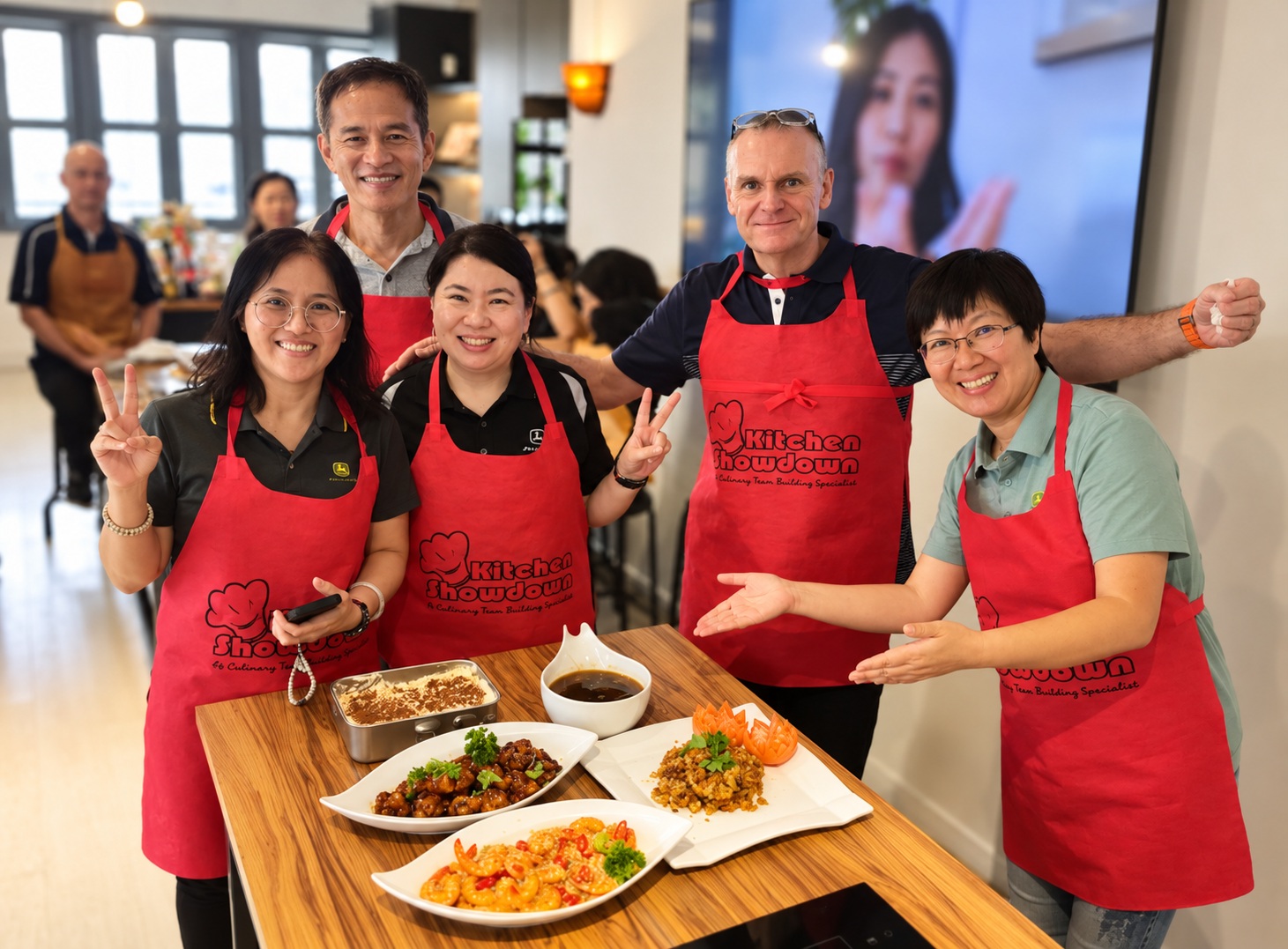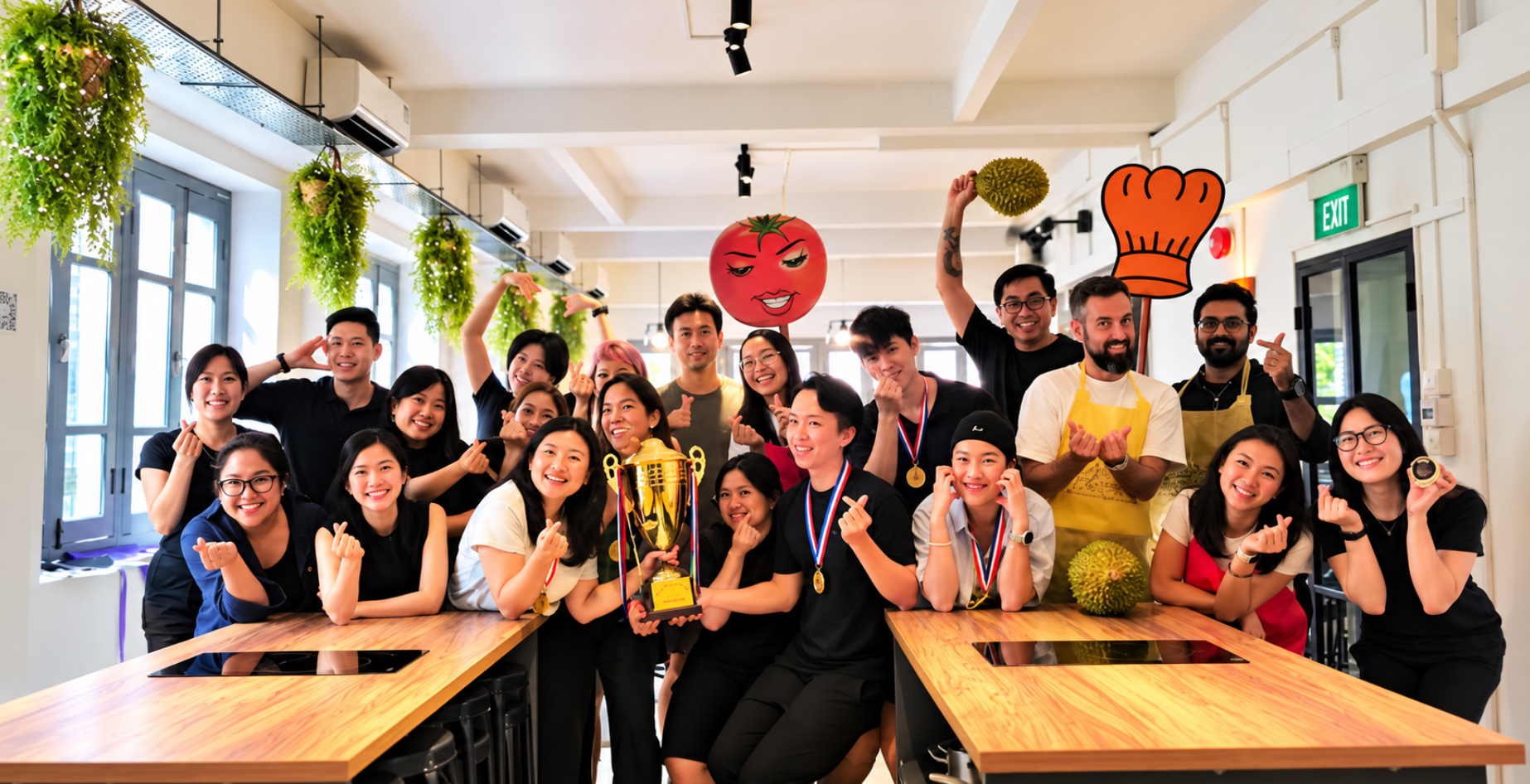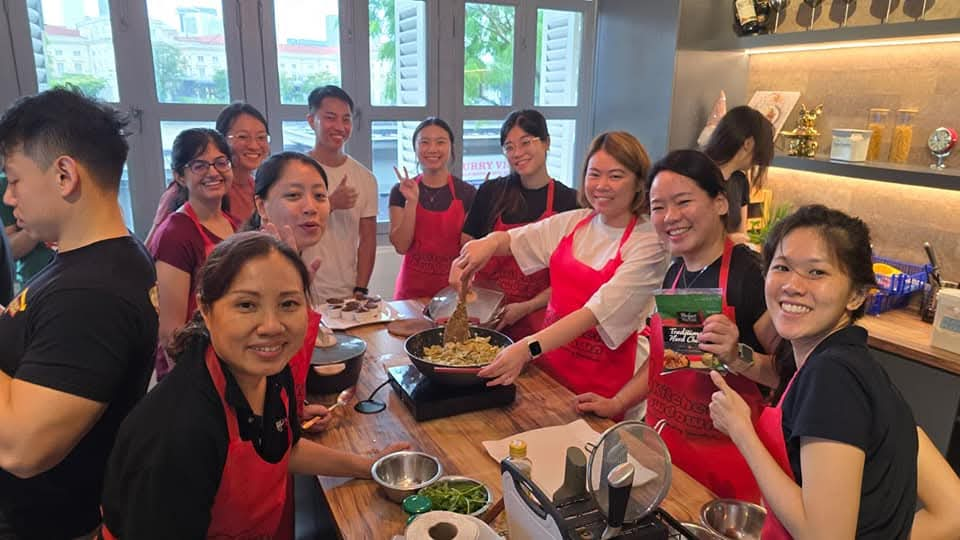

Search for team building ideas in Singapore and you’ll find the same list almost everywhere: laser tag, escape rooms, archery tag, terrarium workshops, GoKart racing, a dozen more, all stacked one after another with a sentence or two each. These roundups are useful for browsing, but they rarely tell you which idea actually suits your group, because no single format gets more than a passing mention. A cooking-based challenge is usually buried somewhere in the middle of these lists, treated as one option among twenty rather than examined properly.
Why the Usual Team Building List Doesn’t Help Much
A long list of activities is easy to publish and hard to act on. Every format on it works for some group, but the list itself doesn’t say which one suits yours, a quiet team that would rather collaborate than compete, a large group that needs everyone occupied at once, a team that’s done the usual escape room and laser tag circuit already and wants something different. Picking blind off a list of twenty options usually means picking whatever sounds most novel, not what will actually land with your team.
Cooking-based team building solves a specific problem that most items on these lists don’t: it gives every person in the group a concrete role and a shared outcome, a finished dish, rather than a shared score. That changes the dynamic from competing against each other to building something together, even inside a timed, competitive format.
What a Cooking Challenge Actually Involves
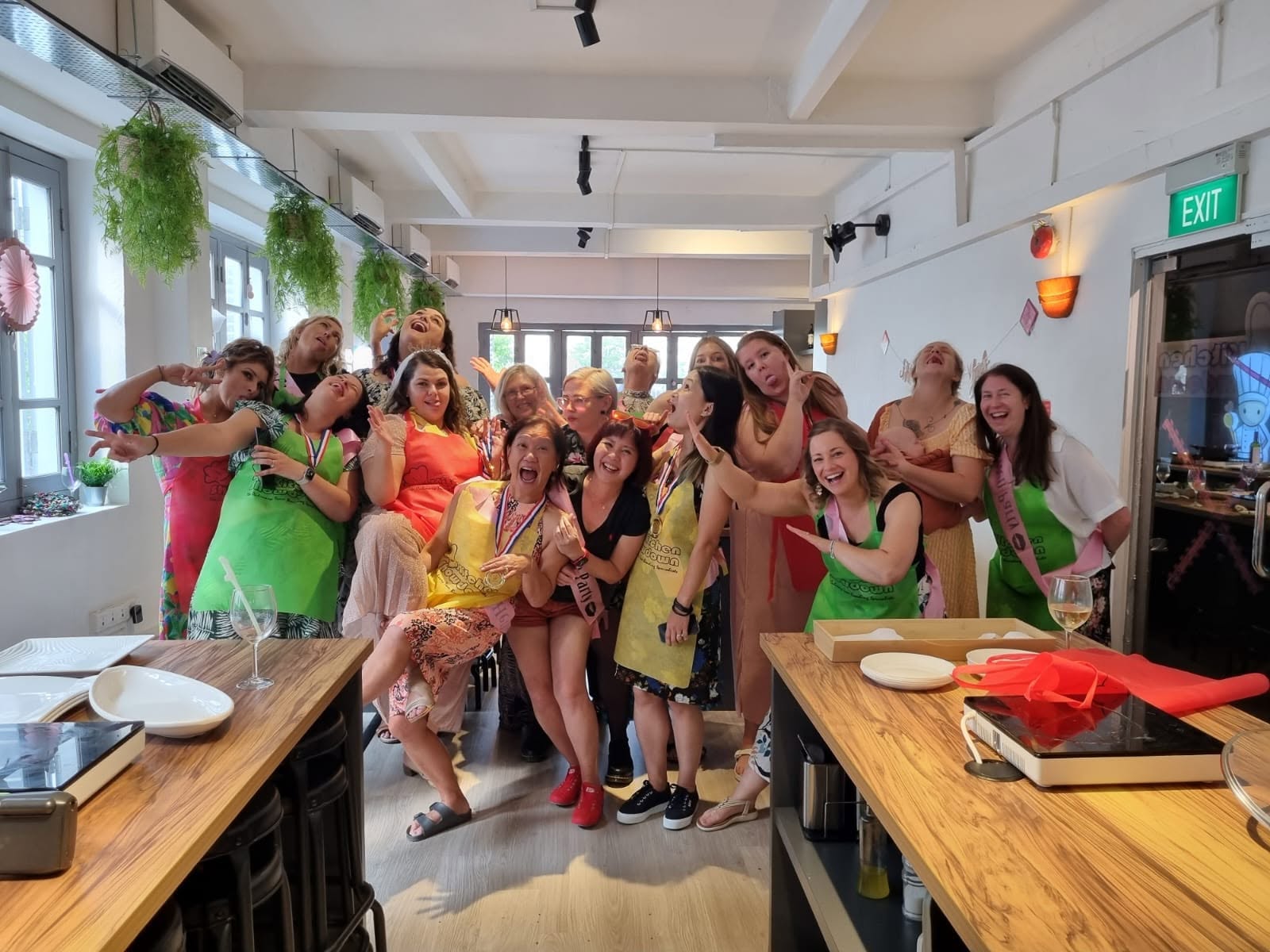
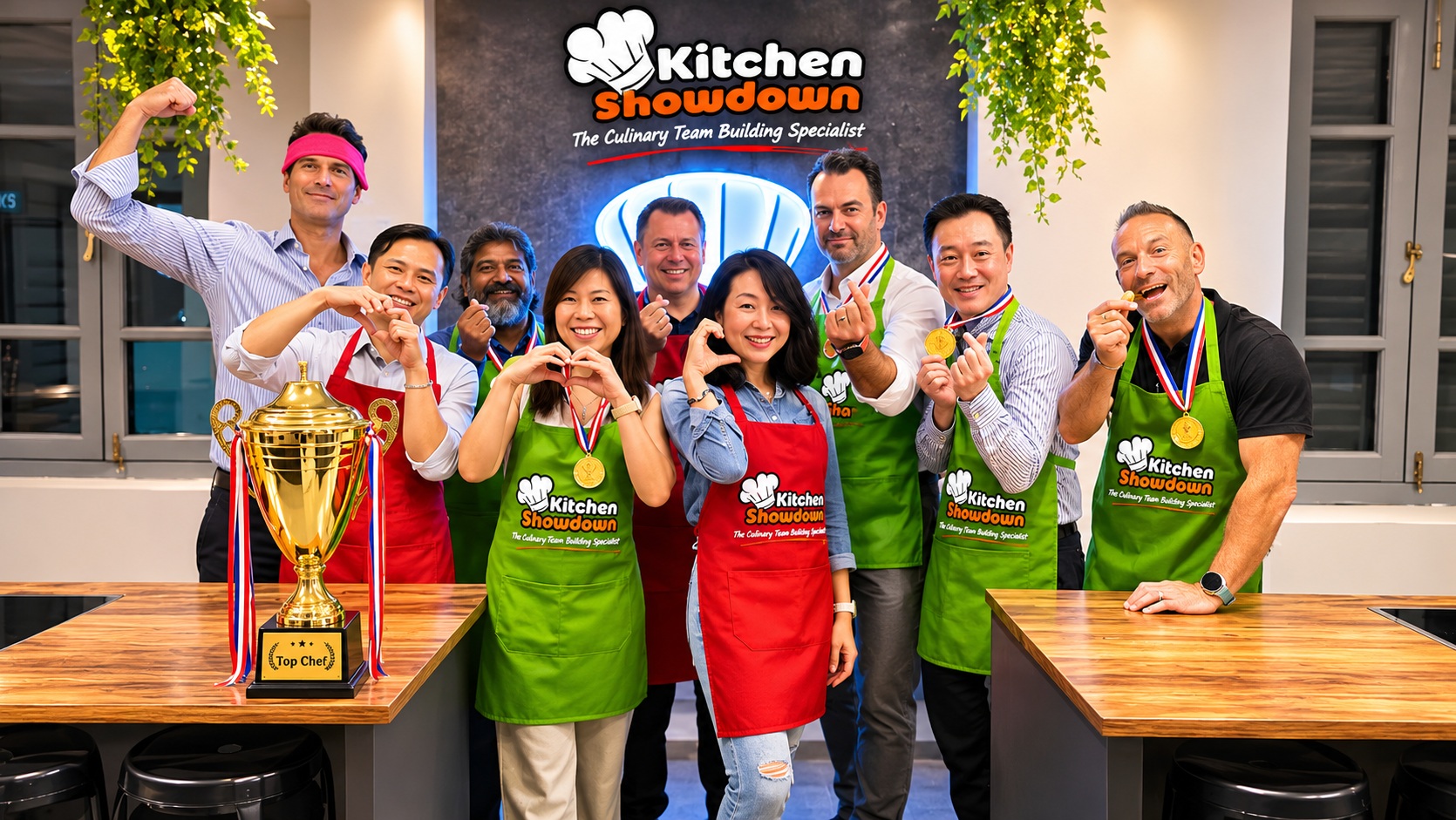
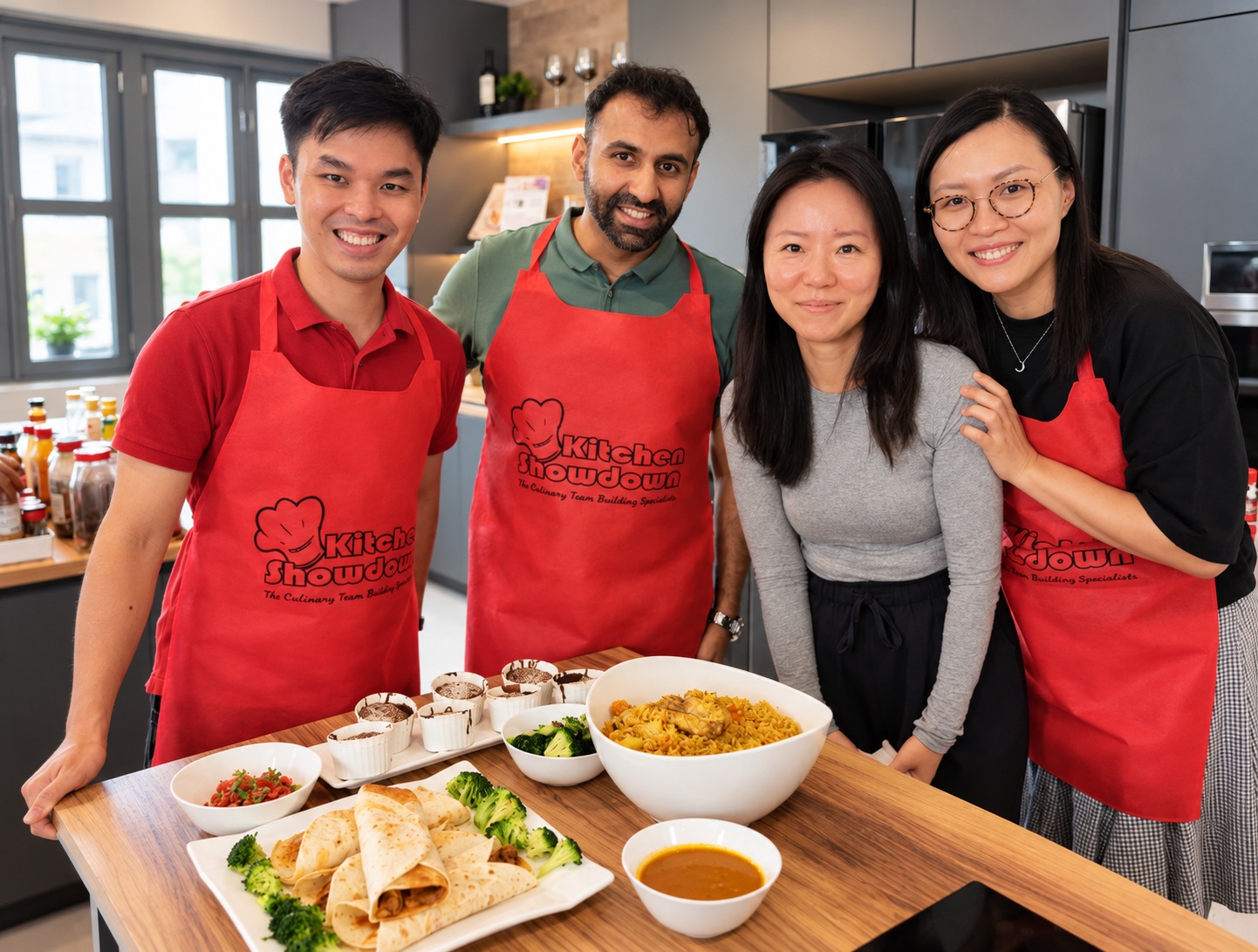
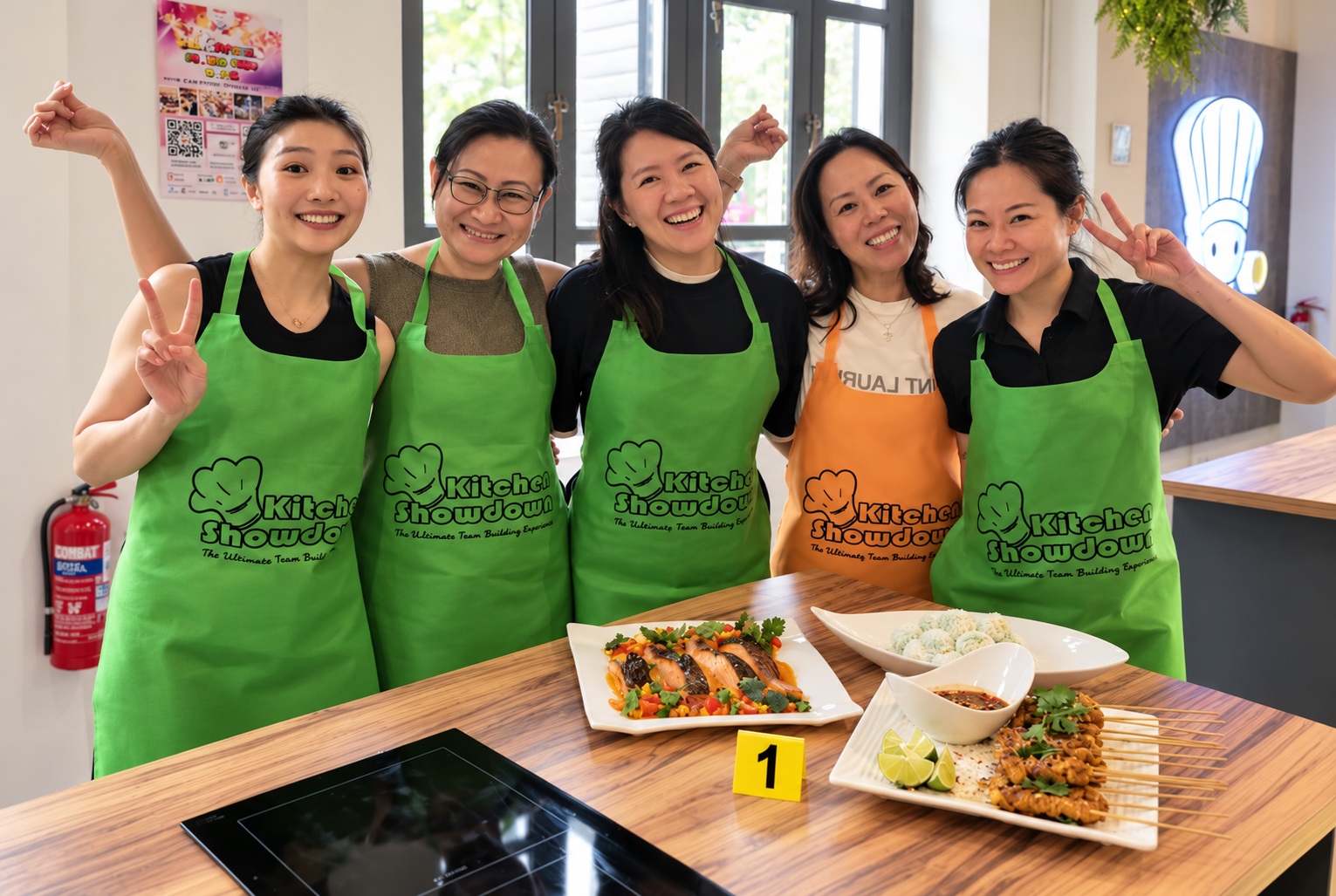
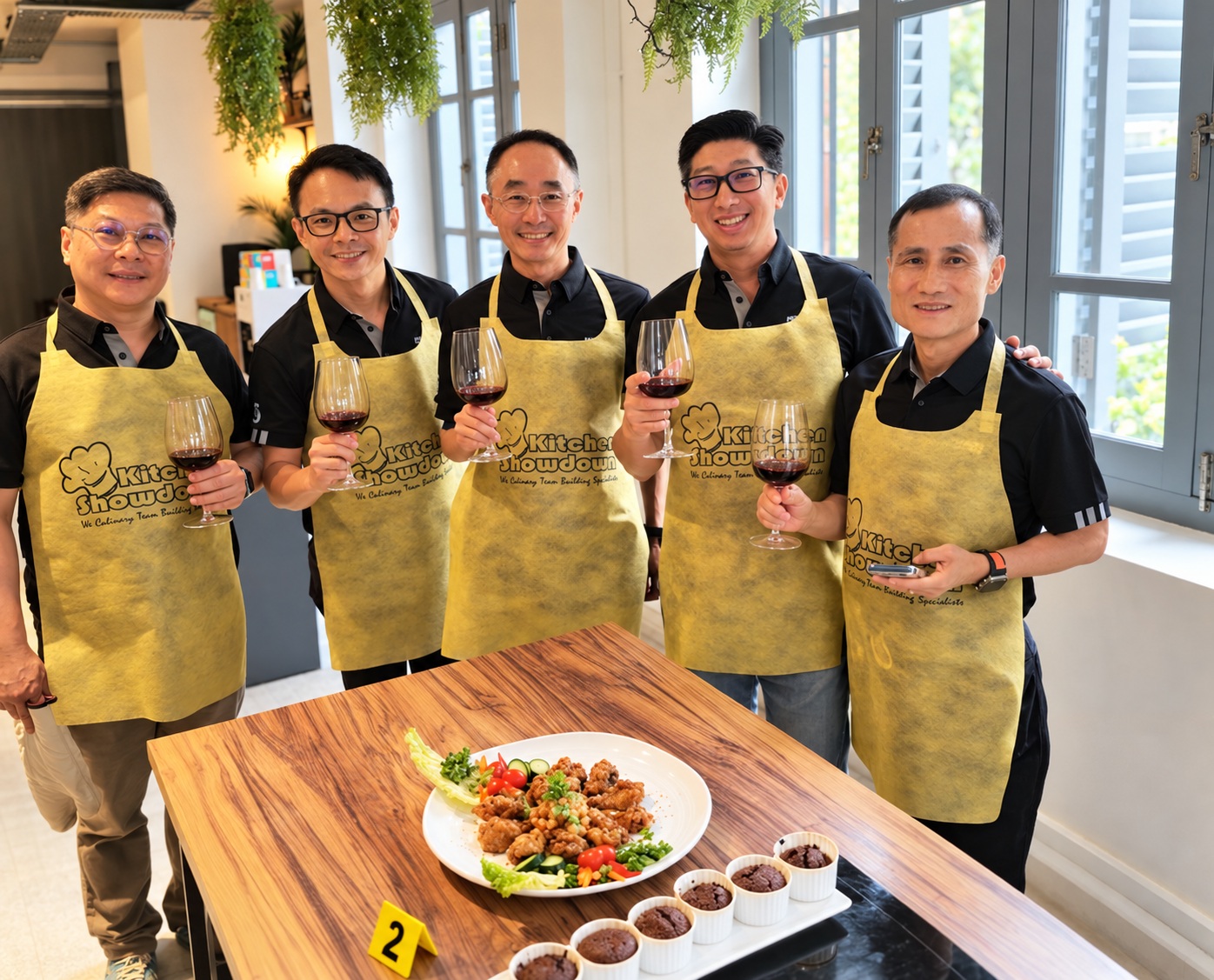
At Kitchen Showdown, a typical session runs about three hours: teams are split up, given a themed culinary challenge, and work together under time pressure to plan, cook, and plate a dish. A chef runs the room throughout, so no prior cooking experience is needed. The session usually ends with everyone sitting down to eat what the teams made, which gives the event a natural, unforced close instead of an abrupt “activity’s over” moment.
A Few Formats to Match Different Groups
- The Mystery Box Challenge: teams improvise a dish from a surprise set of ingredients revealed on the day, good for a group that enjoys thinking on its feet
- The Team Bake Off Challenge: teams design and decorate pastries rather than a full meal, a lower-pressure format that suits a mixed-skill group
- The Amazing Race Challenge: adds a timed, multi-station element on top of the cooking itself, for a group that wants something more physical
Why This Beats a Generic Activity List for Corporate Groups
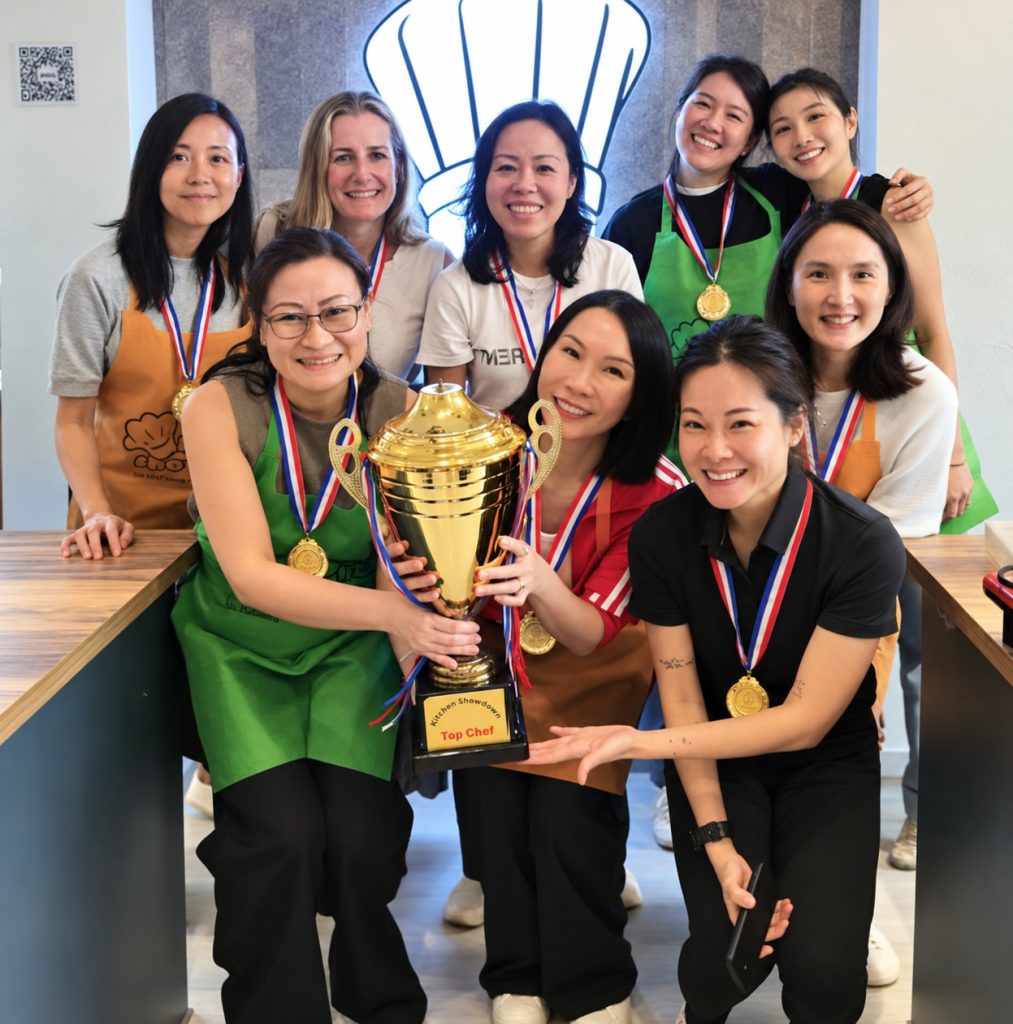
Corporate team building ideas in Singapore need to work for a mixed group: different seniority levels, different physical ability, sometimes a new hire who doesn’t know anyone yet. A physical activity like laser tag or an obstacle course can unintentionally sideline anyone less mobile or less competitive. A cooking challenge scales down that pressure, everyone has a station and a task, and the format rewards coordination over athleticism.
It also works well as a group activity in Singapore beyond the strictly corporate context, client entertainment, department offsites, cross-team mixers, since the shared-meal ending gives people a natural reason to sit and talk afterward rather than filing out the moment the activity ends.
How to Choose the Right Format for Your Group
With several cooking challenge formats available, it helps to think through a few practical factors before booking, the same factors that matter for any team building idea in Singapore, not just a cooking-based one:
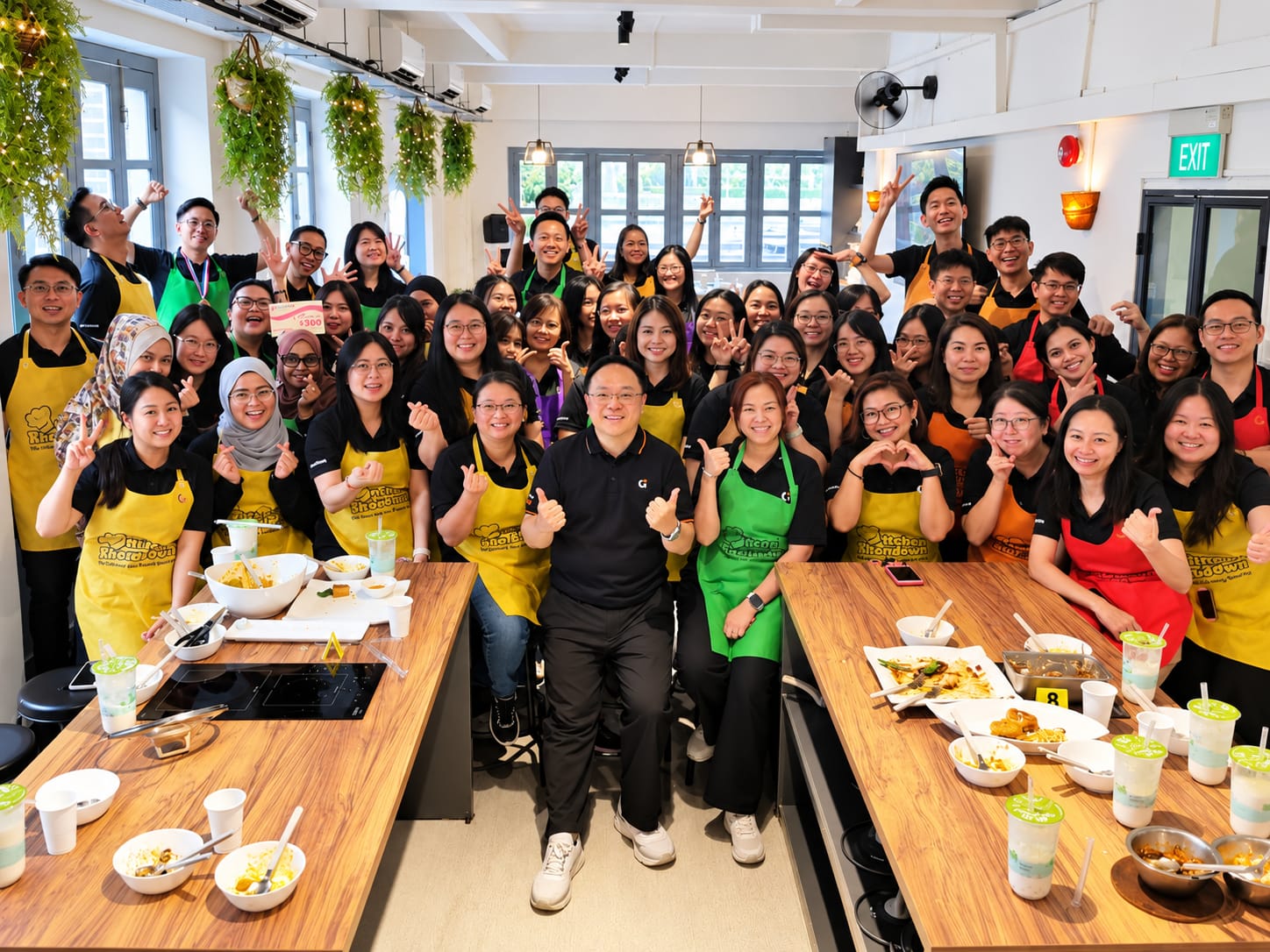
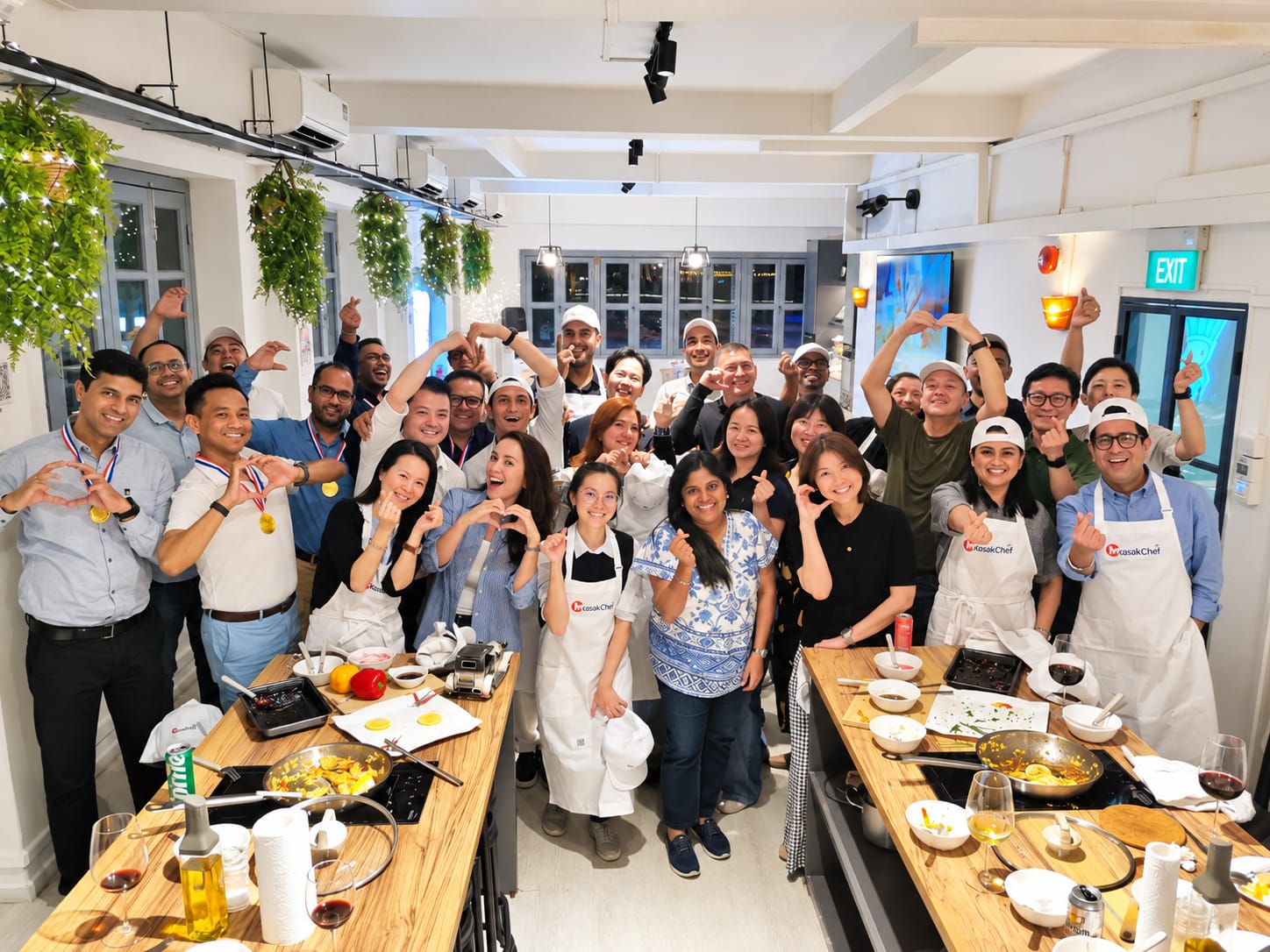
- Group size: sessions scale from a small team of eight to a large corporate group, so headcount shapes how many stations and chefs are needed on the day
- Energy level wanted: a group that wants something lower-key and collaborative suits the Mystery Box or Bake Off formats, while a group after something more physical and competitive fits the Amazing Race format better
- Time available: a typical session is about three hours including the shared meal, worth confirming against the rest of the day’s schedule if it’s part of a longer offsite
- Dietary requirements: a mixed group often includes halal, vegetarian, or other dietary needs, so it’s worth flagging these early so the menu and ingredients can be planned around them
- Budget and venue: cooking challenges are held at a dedicated studio rather than requiring a separate venue booking, which can simplify planning compared to an activity-plus-venue combination
What a Typical Planning Timeline Looks Like
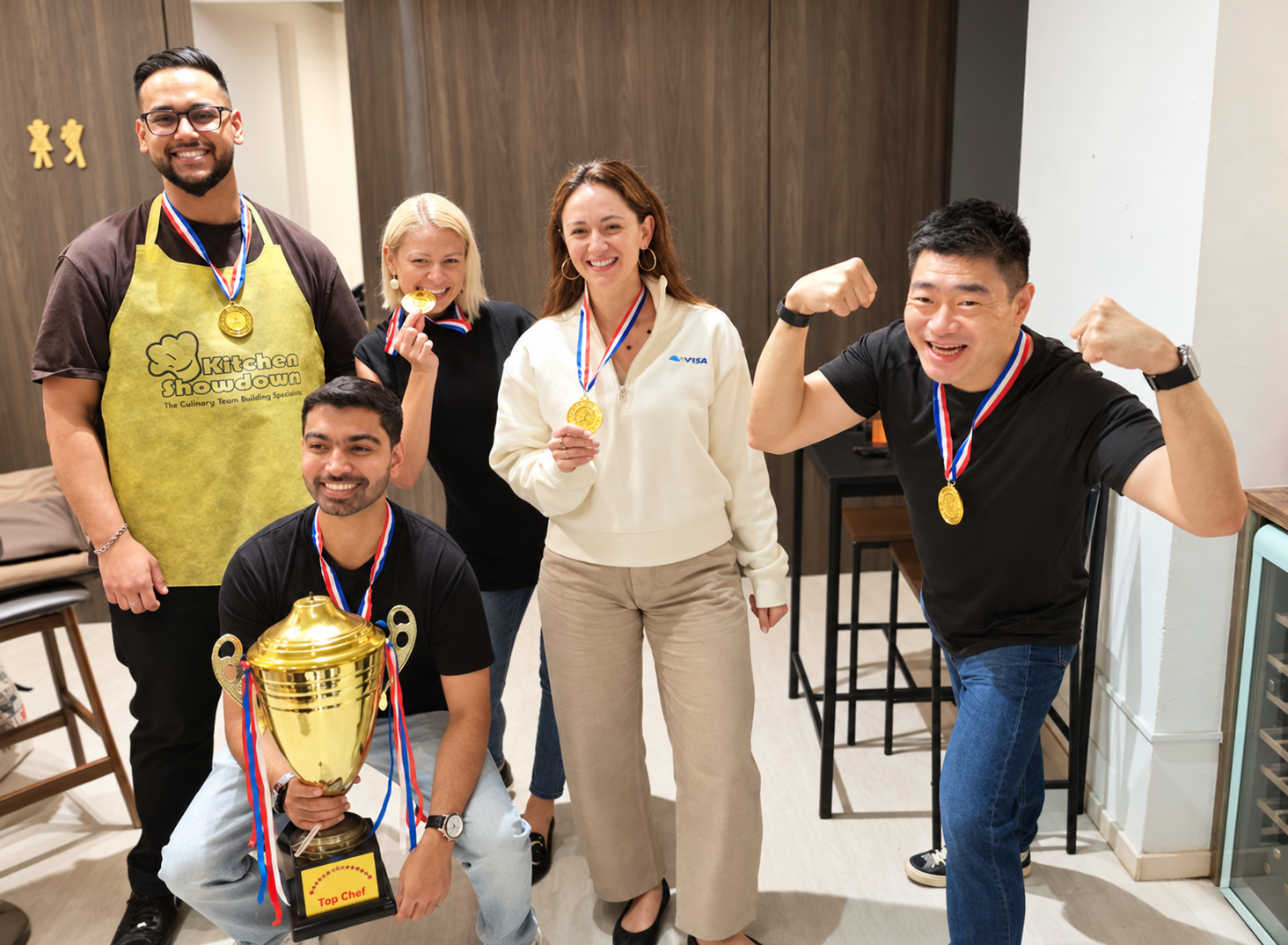
Most groups reach out to book a session a few weeks ahead, enough time to confirm headcount, agree a challenge format, and flag any dietary requirements, though a well-run studio can often accommodate shorter notice for smaller groups. Once the date and format are confirmed, there’s usually a short back-and-forth to finalise participant numbers and any special requests, a surprise element for someone’s last day, a themed menu tied to a company milestone, before the day itself. On the day, the session runs the challenge itself, the shared meal, and typically some time for photos, since the finished dishes and team moments tend to be the most memorable part of the day afterward.
Frequently Asked Questions
Do we need cooking experience to take part?
No. The challenges are designed for all skill levels, with a chef guiding each team throughout.
How long does a session take?
About three hours in total, including the cooking challenge and the shared meal afterward.
How many people can take part?
Sessions scale from a small team of eight to a large corporate group.
Which format should a first-time group choose?
The Mystery Box Challenge is a good starting point for most groups, it’s the most straightforward to explain and keeps everyone equally involved from the start.
Can this work for a mixed group of different departments or seniority levels?
Yes, the team format and shared task are built to put everyone on equal footing regardless of role or physical ability.
Can dietary requirements like halal or vegetarian be accommodated?
Yes, flag these when booking so the menu and ingredients can be planned around the group’s needs.
How far in advance should we book?
A few weeks ahead is typical, though smaller groups may be able to book on shorter notice.
Is this suitable for a large corporate offsite, not just a small team?
Yes, the format scales up to a large group and works well as part of a longer offsite agenda.
Can the session be tied to a specific company milestone or theme?
Yes, a themed menu or challenge can be built around a milestone, a product launch, or a company anniversary, worth flagging when booking so it can be planned in.