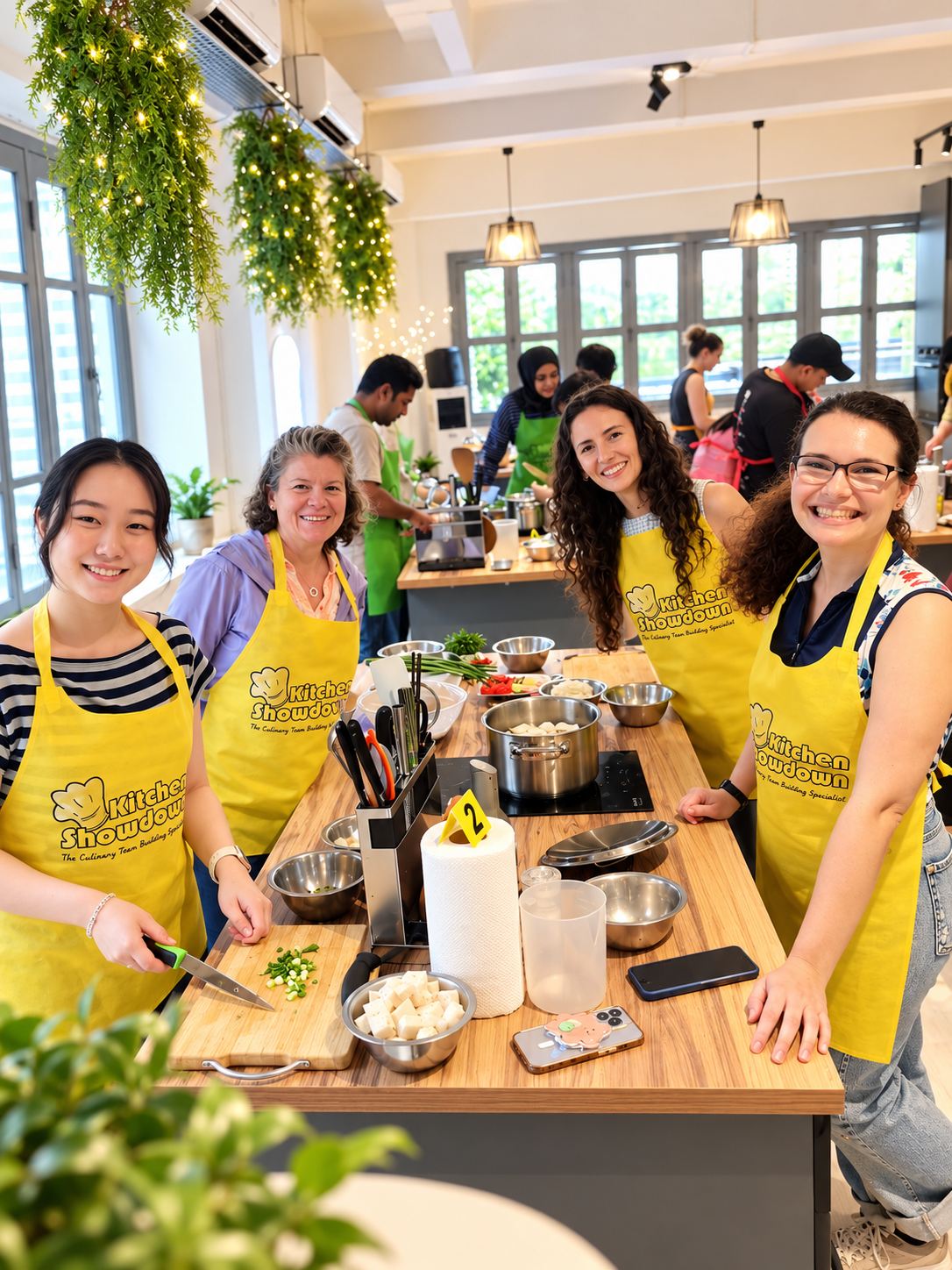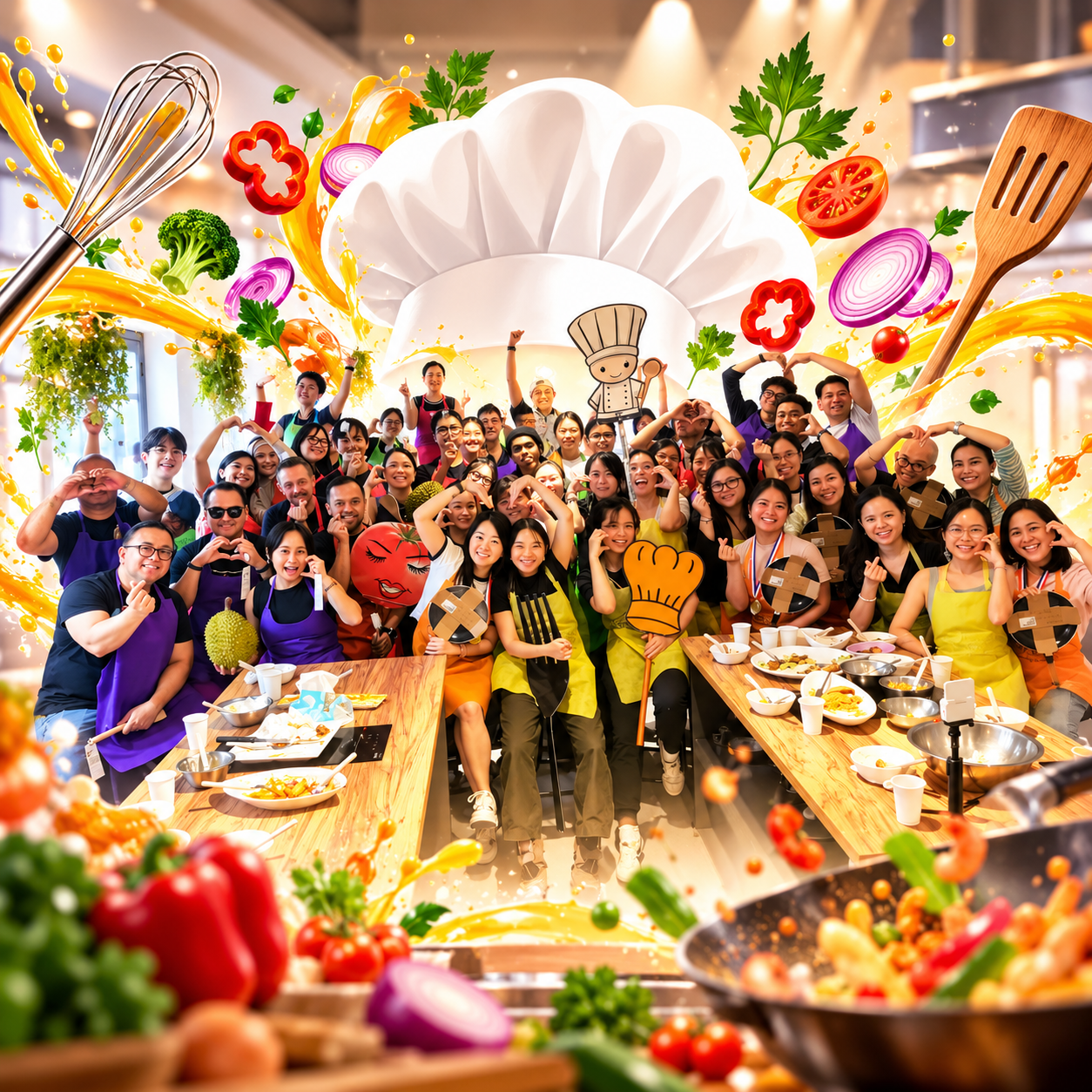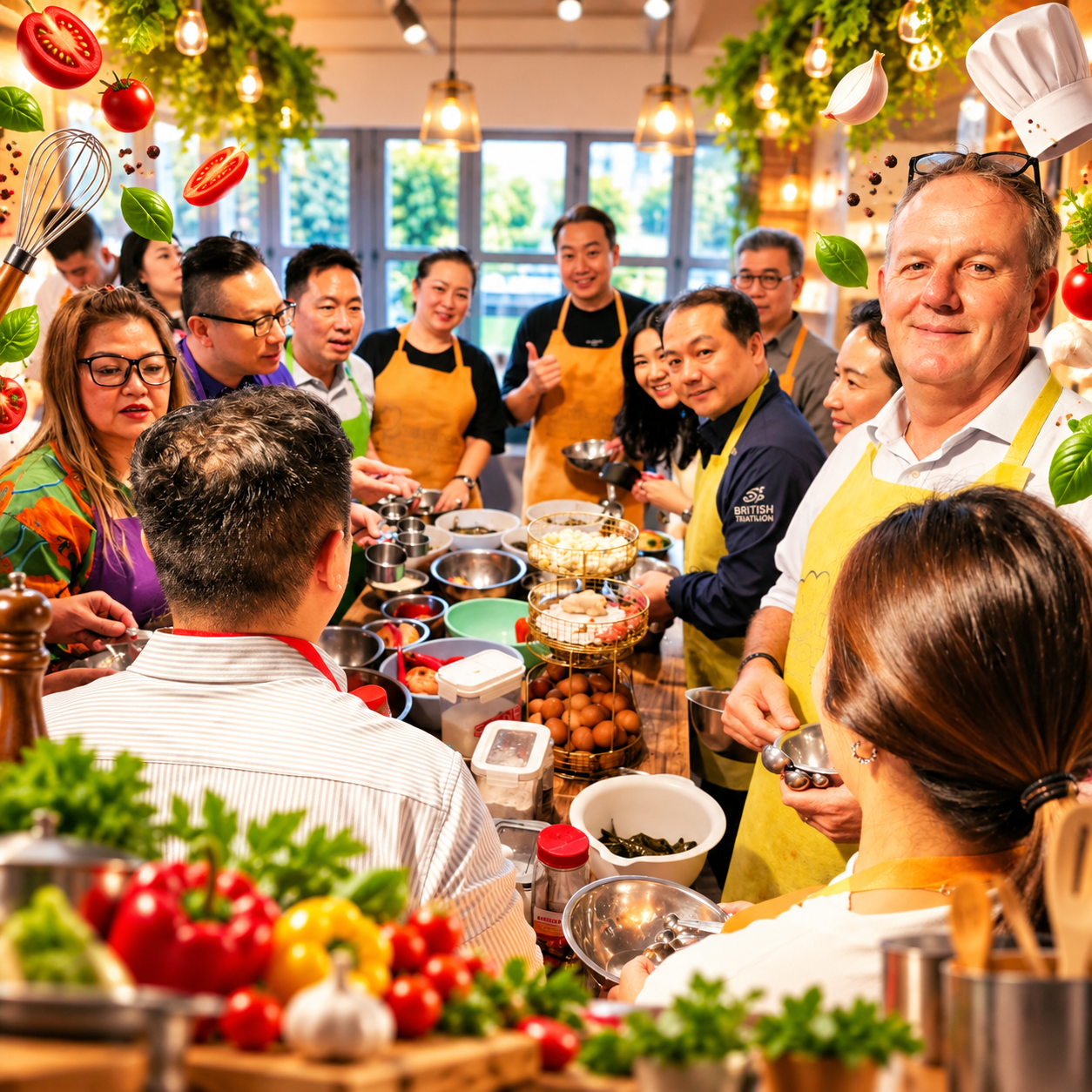

A team building dinner is a group meal built around a shared activity rather than a quiet sit-down affair, and it works best when the cooking itself becomes the bonding exercise. Most teams default to booking a restaurant and calling it a night out, which is pleasant enough but rarely memorable past the following week.
A dinner that doubles as a hands-on challenge gives colleagues something to talk about long after the bill is settled, and it costs about the same as a decent meal out in the CBD.
Why the Usual Team Dinner Falls Flat
Search for a team-building dinner in Singapore and most of what comes up is restaurant recommendations: which CBD venue has the best set menu, which private room fits eighty people, which spot does good sharing plates. That’s useful if the only decision left is where to sit, but it treats the dinner as a logistics problem rather than an opportunity. Nobody leaves a quiet group dinner talking about the food a week later.
The actual goal of a team dinner is usually bonding, not catering. A venue with nice lighting doesn’t make colleagues talk to each other any more than they would at their desks. Something has to give people a reason to interact, and a shared task does that far more reliably than a shared table.
Turn the Dinner Into the Activity
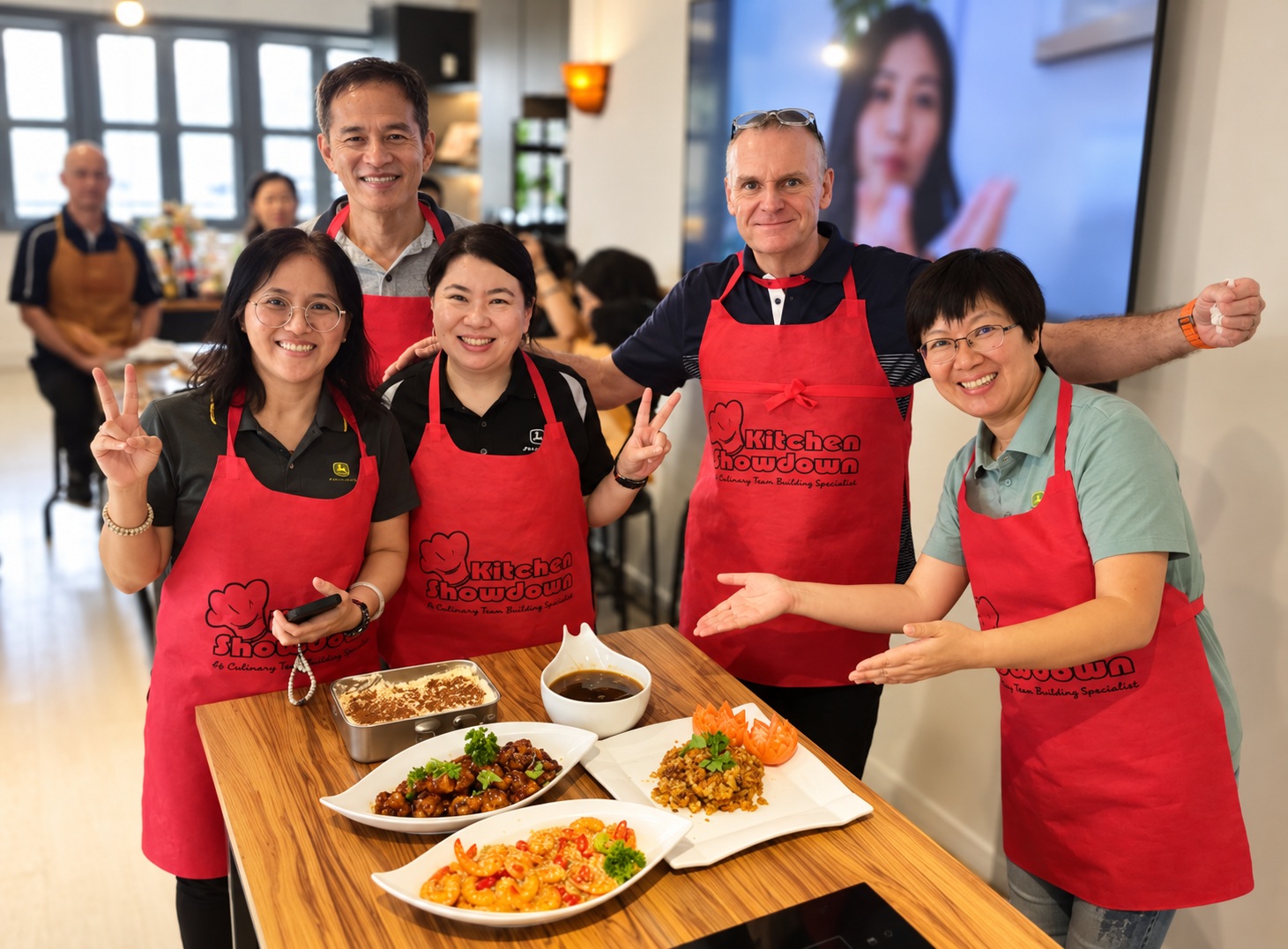
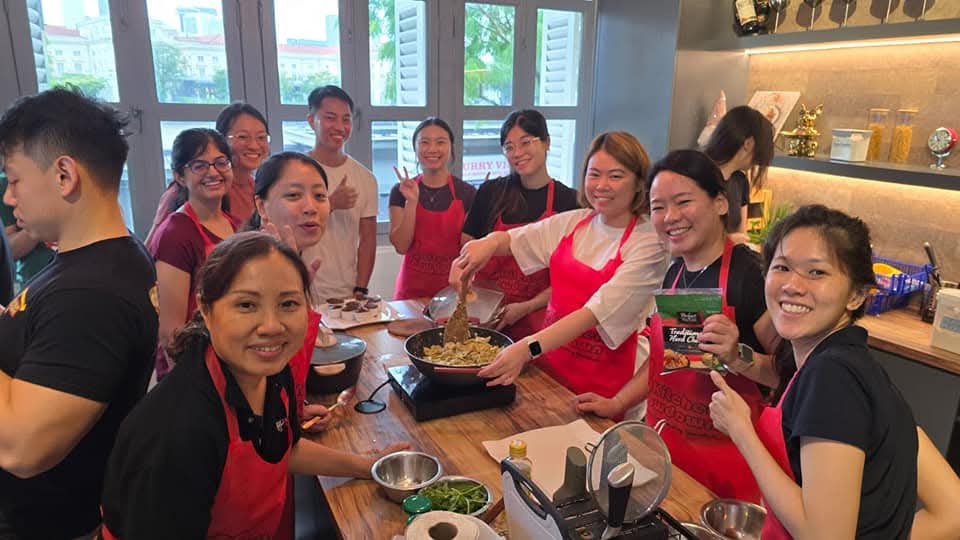
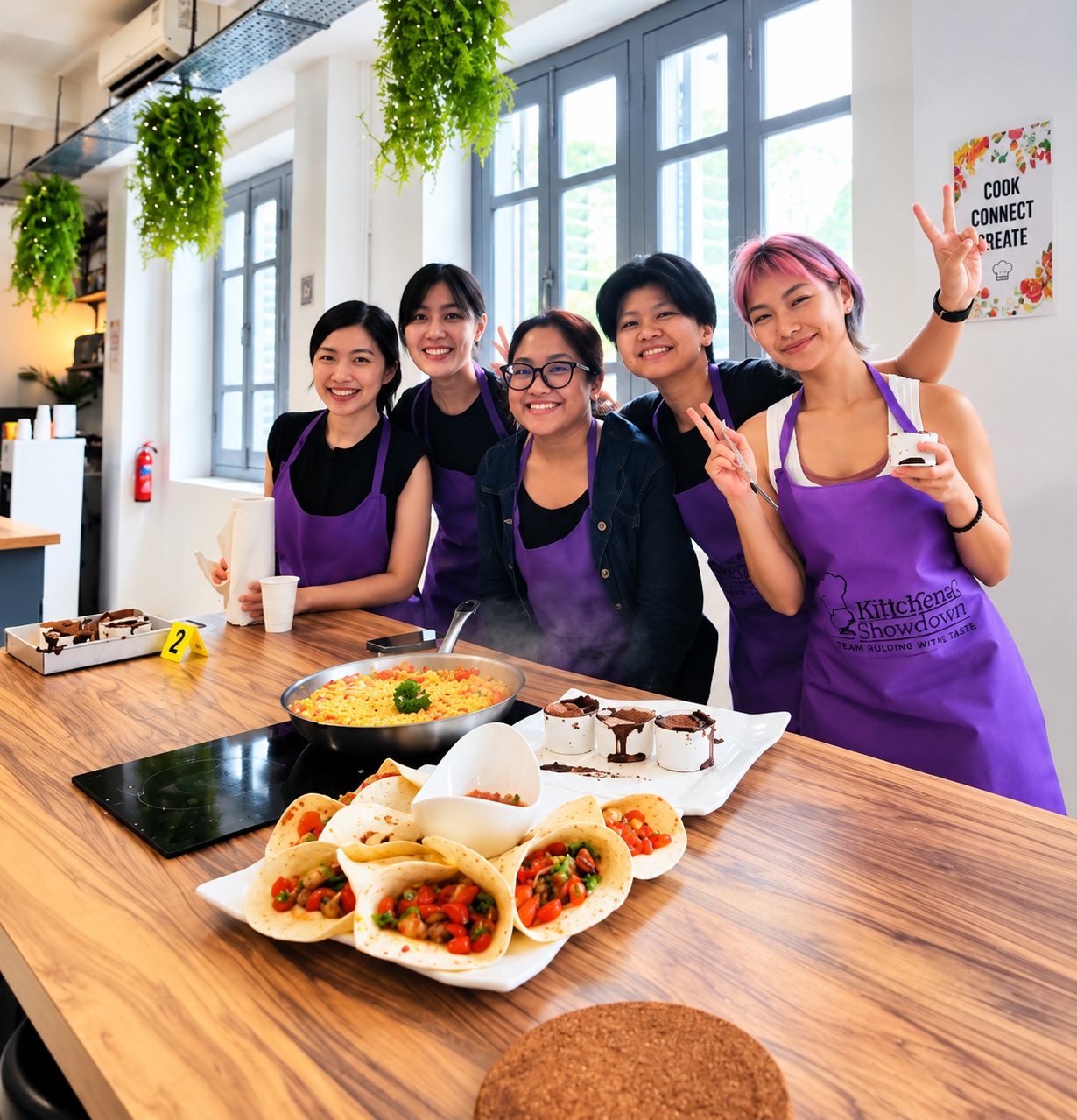
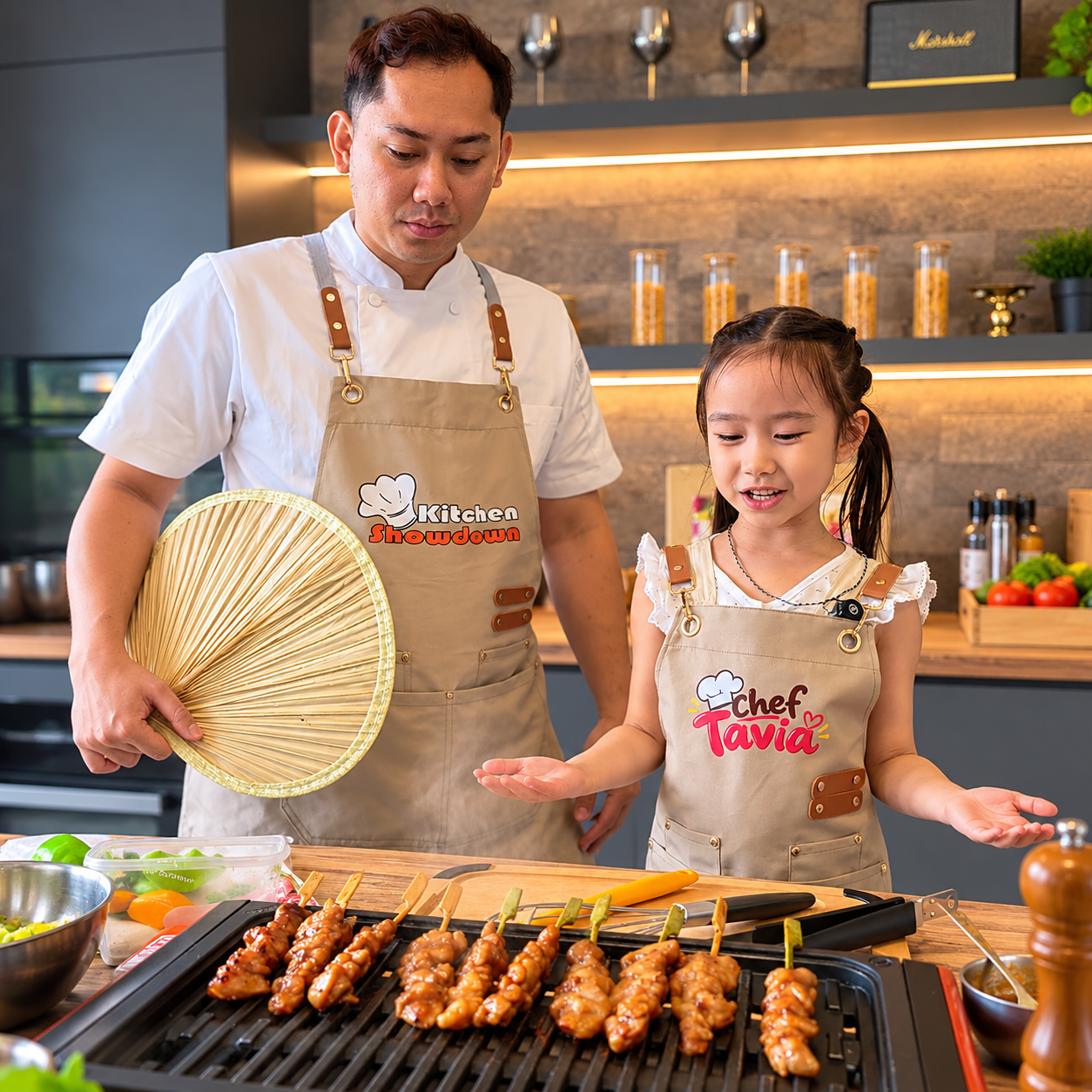
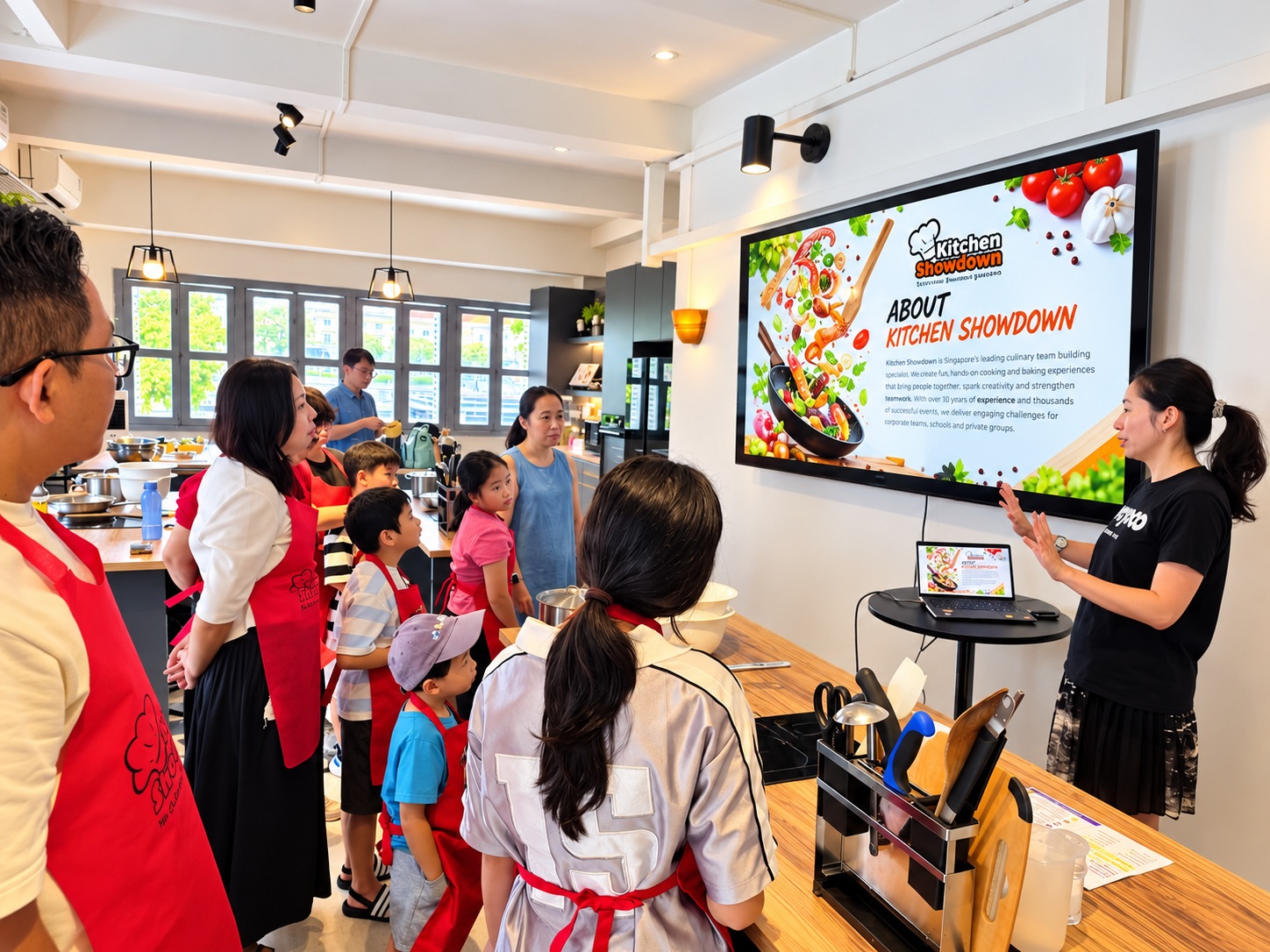
At Kitchen Showdown’s culinary team building sessions, the cooking challenge comes first, and the meal is what the teams actually made. Groups are split into small teams, given a themed challenge, and work against the clock to plate something they’re proud of.
Then everyone sits down together and eats the results, which turns out to be a far better conversation starter than a menu ever was.
How a Cooking Challenge Dinner Works
A typical session runs about three hours: roughly ninety minutes of hands-on cooking followed by a sit-down meal where teams eat what they prepared.
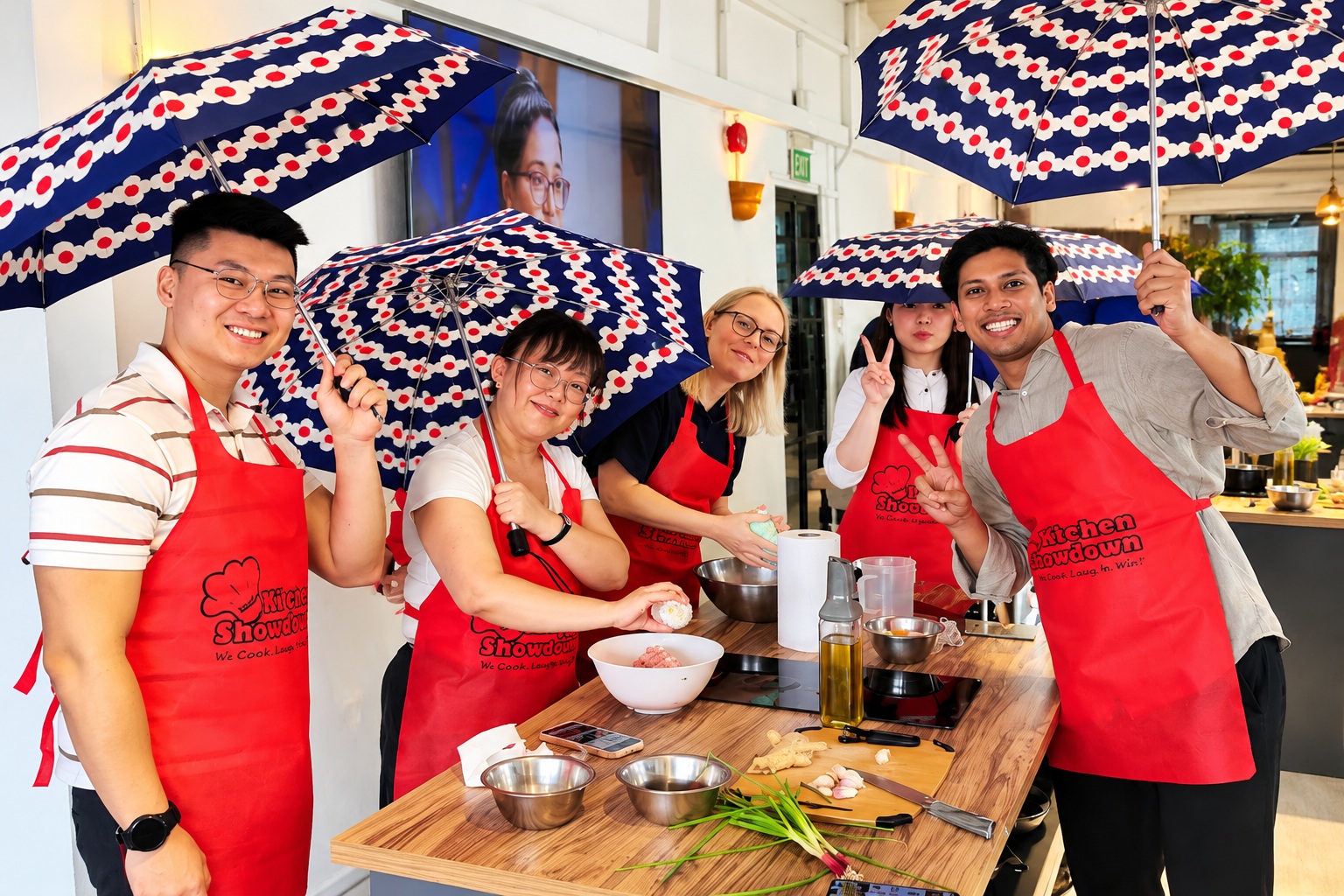
Formats vary, from the fast-paced Mystery Box Challenge, where teams improvise a dish from a surprise set of ingredients, to the Amazing Race Challenge, which adds a time-pressure, multi-station element for groups that want something more physical.
Here’s what makes a cooking challenge dinner work better than a standard sit-down for teams:
- Everyone has a role, so nobody spends the evening quietly checking their phone
- Built-in conversation starters: the food, the teamwork, the mild competitive edge
- A natural icebreaker for mixed departments, new hires, or teams that rarely interact
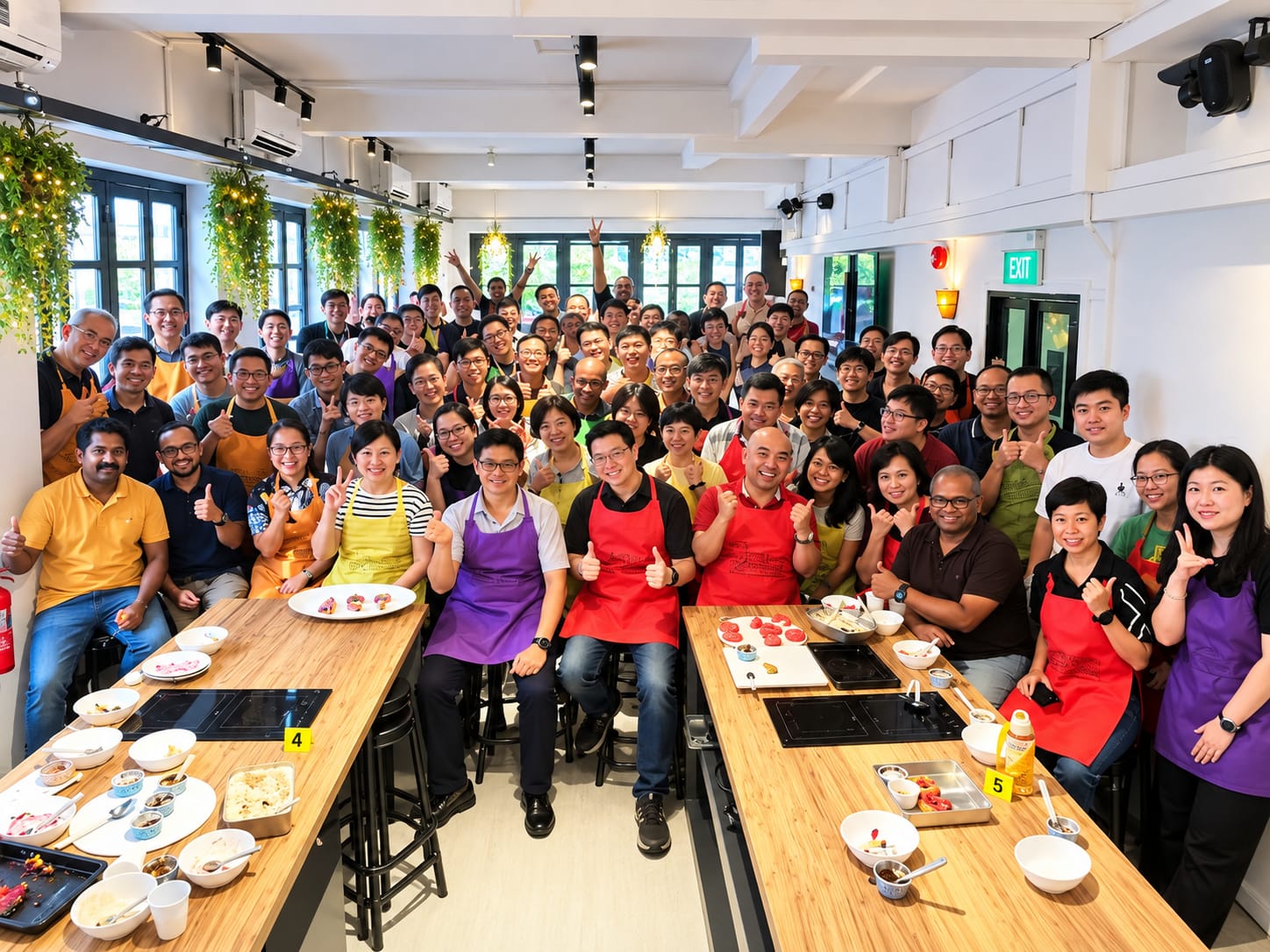
- Scales from a small team of eight to a large corporate group
- Ends the same way every good dinner should: everyone sitting down to eat together
Picking the Right Format for Your Group
Corporate team building in Singapore covers a wide range of formats, from outdoor physical challenges to quiet workshop sessions, and a cooking-based dinner tends to sit in a useful middle ground. It’s active enough to get people out of their seats and working together, but it doesn’t require any particular fitness level or prior skill, which matters for mixed-age teams or groups that include senior staff who’d rather not do an obstacle course after work.
Group size is the other variable worth planning around early. A team of ten behaves very differently from a department of eighty, and the right challenge format changes with it. Smaller teams tend to do well with a single shared challenge like Mystery Box, where everyone cooks side by side. Larger groups usually work better split into multiple stations running the same challenge in parallel, so the energy stays high without any one team waiting around.
Making It Work for a Large Group
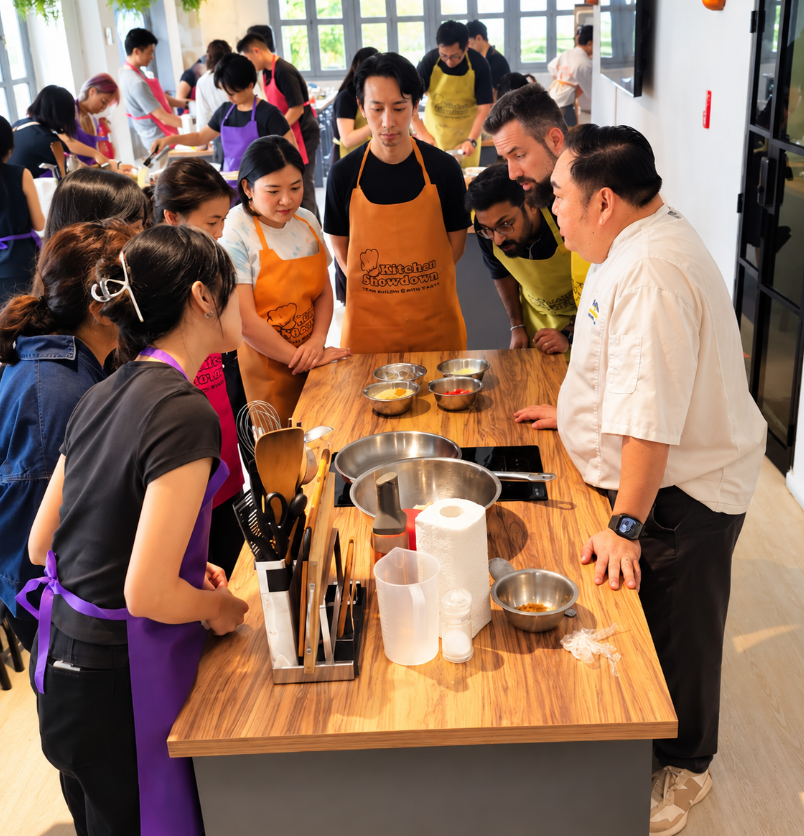
Large group dining in Singapore usually means managing logistics: seating capacity, dietary requirements, and getting everyone fed within a reasonable window after a full workday. A cooking challenge dinner has to solve the same problems, plus the added layer of making sure every team has enough station space and ingredients to actually cook without bottlenecking.
Dietary requirements are worth flagging early rather than on the day. Halal, vegetarian, and common allergy requirements can usually be built into the ingredient sets for each team, but it’s far easier to plan for when the headcount and dietary breakdown are confirmed in advance. The same applies to timing: a dinner booked straight after a 6 pm finish needs a tighter cooking window than one with a bit of breathing room beforehand.
Cost and Planning Considerations
Compared to simply booking one of the better-known affordable restaurants for big groups in Singapore, a cooking challenge dinner isn’t a significant step up in cost once the activity is factored in.
You’re not paying separately for a venue and then an activity; the challenge and the meal are the same booking. For a department that would otherwise be comparing private dining rooms anyway, it’s a reasonable swap for roughly the same spend.
Frequently Asked Questions About Team Building Dinners in Singapore
What is a team building dinner?
A team building dinner is a group meal paired with a structured activity, most often a cooking challenge, so colleagues work together before they sit down to eat. It’s designed to replace a passive restaurant booking with something that gets the whole team actively involved for part of the evening.
How much does a team-building dinner cost in Singapore?
A team building dinner built around a cooking challenge is typically comparable in cost to a sit-down dinner at a mid-range restaurant, since the activity and the meal are bundled into one session. Exact pricing depends on group size and format, so it’s worth requesting a quote for your specific headcount.
How many people can join a team dinner cooking challenge?
Cooking challenge dinners can run for groups from around eight people up to large corporate departments, with bigger groups typically split across multiple cooking stations running the same challenge. The format scales by adding stations rather than changing the activity itself.
Can dietary restrictions be accommodated?
Yes, halal, vegetarian, and common allergy requirements can be built into the ingredients for each team’s challenge when the dietary breakdown is confirmed ahead of the session. Flagging this early makes it easier to plan ingredient sets that work for everyone.
What's the difference between a team dinner and a regular team building activity?
A team dinner combines the activity and the meal into a single evening, so there’s no separate venue to book afterwards for food. A standalone team-building activity, by contrast, is usually scheduled apart from any meal and may run during the workday rather than in the evening.
How long does a cooking challenge dinner take?
A typical session runs around three hours in total, with about ninety minutes of hands-on cooking followed by the sit-down meal. The exact timing can flex slightly depending on the challenge format and group size.
Do we need cooking experience to take part?
No prior cooking experience is needed, as the challenges are designed to be approachable for complete beginners while still giving confident home cooks something to enjoy. A host guides each team through the format so nobody is left guessing what to do.
If a cooking challenge dinner sounds like a better fit than another round of restaurant bookings, get in touch to talk through group size, dietary needs, and a format that suits your team.